

The folic acid test measures the level of vitamin B9, which is needed for blood formation and cell renewal; it is ordered when investigating anemia and nutritional problems.
- Sample
- Blood
- Fasting
- Required
- Turnaround time
- Usually 1–2 business days
- Test group
- Biochemistry
Preparation: Fasting for 6–8 hours is recommended. Tell your doctor if you take folic acid, B vitamin or high-dose biotin supplements.
Insurance: We work with private health insurers. For this test, we obtain the pre-approval and collect your sample once approval is received; we do not charge a co-payment. Insurance and payment
Contents
What is folic acid (folate)?
Folate is a water-soluble vitamin in the B-vitamin group, also known as vitamin B9. Folic acid is the synthetic form of this vitamin used in supplements and fortified foods. Green leafy vegetables, legumes, citrus fruits and liver are the main natural sources. Because the body can store only a limited amount of folate, regular intake is important.
Folate is involved in making DNA and in cell division; this is why it is important for the production of red blood cells and, during pregnancy, for the development of the baby's nervous system. Tissues whose cells renew rapidly, such as the bone marrow, intestine and skin, have a particular need for this vitamin. Together with vitamin B12, it also contributes to the processing of homocysteine. The test measures the amount of folate in blood serum using immunological methods, and the result is reported in ng/mL.
When is a folic acid test ordered?
The folic acid test is usually ordered together with a vitamin B12 test, especially to investigate the cause of types of anemia in which red blood cells are larger than normal. Because deficiencies of the two vitamins lead to similar findings, it is important to assess them together. The results are interpreted together with the red blood cell size and the hemoglobin value on the complete blood count.
The risk of deficiency is higher in people with a restricted diet, people who have used alcohol heavily for a long time and people with absorption problems. In people who take certain medications for epilepsy or rheumatic diseases that can affect folate over a long period, the doctor may also order regular checks.
- Fatigue, weakness, pallor and shortness of breath
- Large red blood cells (macrocytosis) on a complete blood count
- Mouth sores, and a red, burning tongue
- Absorption disorders such as celiac disease
- Investigating the cause of elevated homocysteine
How do you prepare for a folic acid test?
Because the serum folate level can be quickly affected by the food eaten at recent meals, fasting for 6–8 hours before the test is recommended. You can drink water during this time, which is why giving the blood sample in the morning is the easiest option for most people. If red blood cells break down while the blood is being drawn, the large amount of folate inside the cells can pass into the serum and falsely raise the result.
Supplements containing folic acid or B vitamins can raise the result; tell your doctor which products you take and at what doses, and decide together whether to stop the supplement. High-dose biotin (B7) can affect some immunological measurements, so remember to mention this supplement too. The blood sample is taken from the arm; if you wish, our nurse can do this at your home or workplace.
What does a folic acid result mean?
Low folate may be linked to inadequate nutrition, a diet low in vegetables and fruit, absorption disorders, heavy alcohol use, periods of increased need such as pregnancy and breastfeeding, or certain medications that affect folate. A long-lasting deficiency can lead to large-cell (megaloblastic) anemia and related complaints such as fatigue and palpitations. In pregnancy, folate deficiency increases the risk of disorders of spinal cord and brain development in the baby, known as neural tube defects.
High folate is usually associated with supplement use or foods fortified with folic acid and, in most cases, is not a problem on its own. However, a high folate intake can mask the blood-count signs of an accompanying B12 deficiency; this is why the two vitamins are assessed together. The reference range may vary by laboratory, method, age and sex; this page shows the range of the laboratory concerned. Your doctor, who will consider your complaints and your other blood tests together, will explain what your folic acid value means.
Reference range
Unit: ng/mL- 3.9 - 26.8
This is the value used by our laboratory; it may vary depending on age, sex, the method used and the laboratory. Review your result together with your doctor.
How is Folic Acid (Folate) done at home?
-
01
Book your appointment
Fill in the online form or call us, and let's plan a day and time that suit you together.
-
02
Your blood is drawn at home
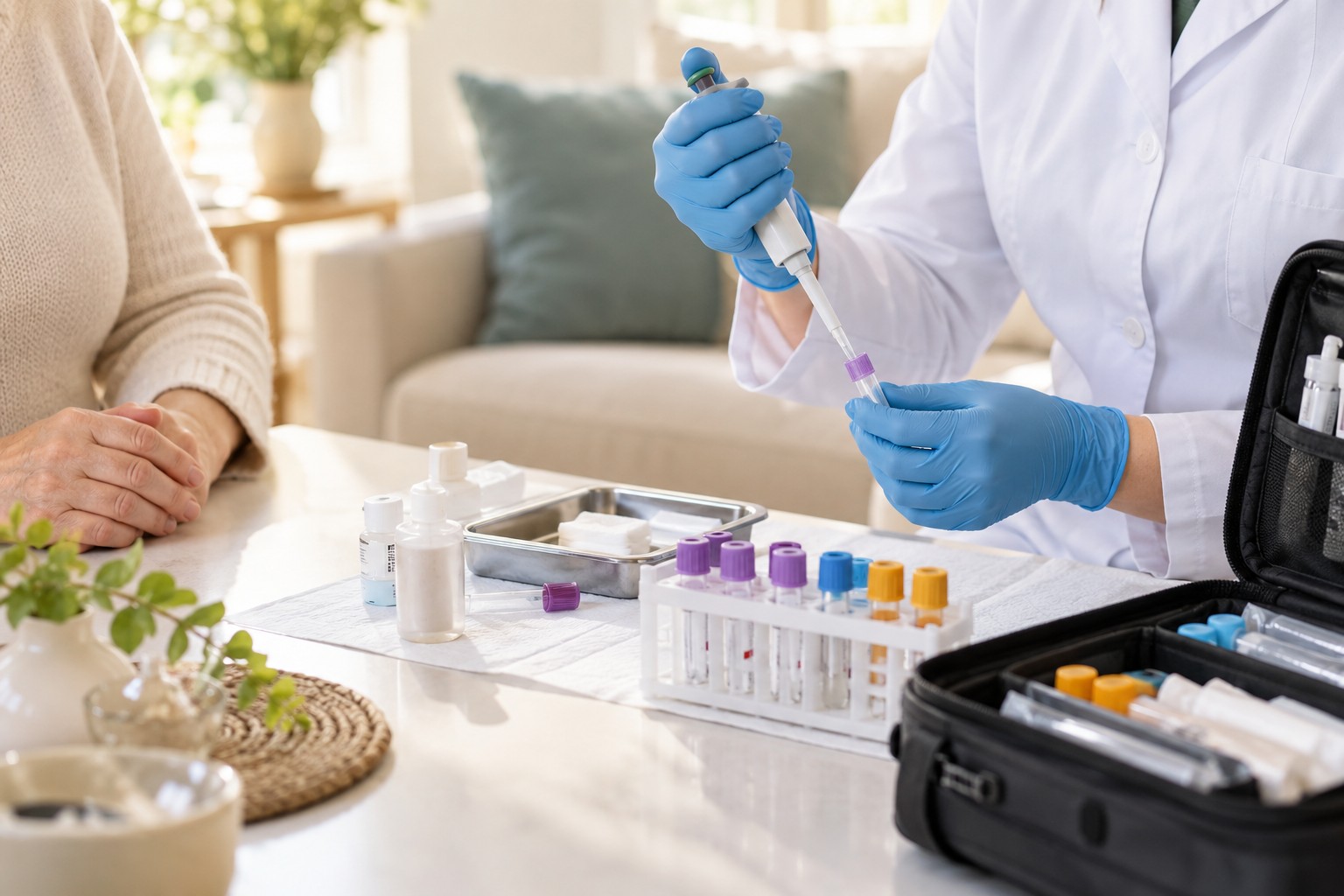
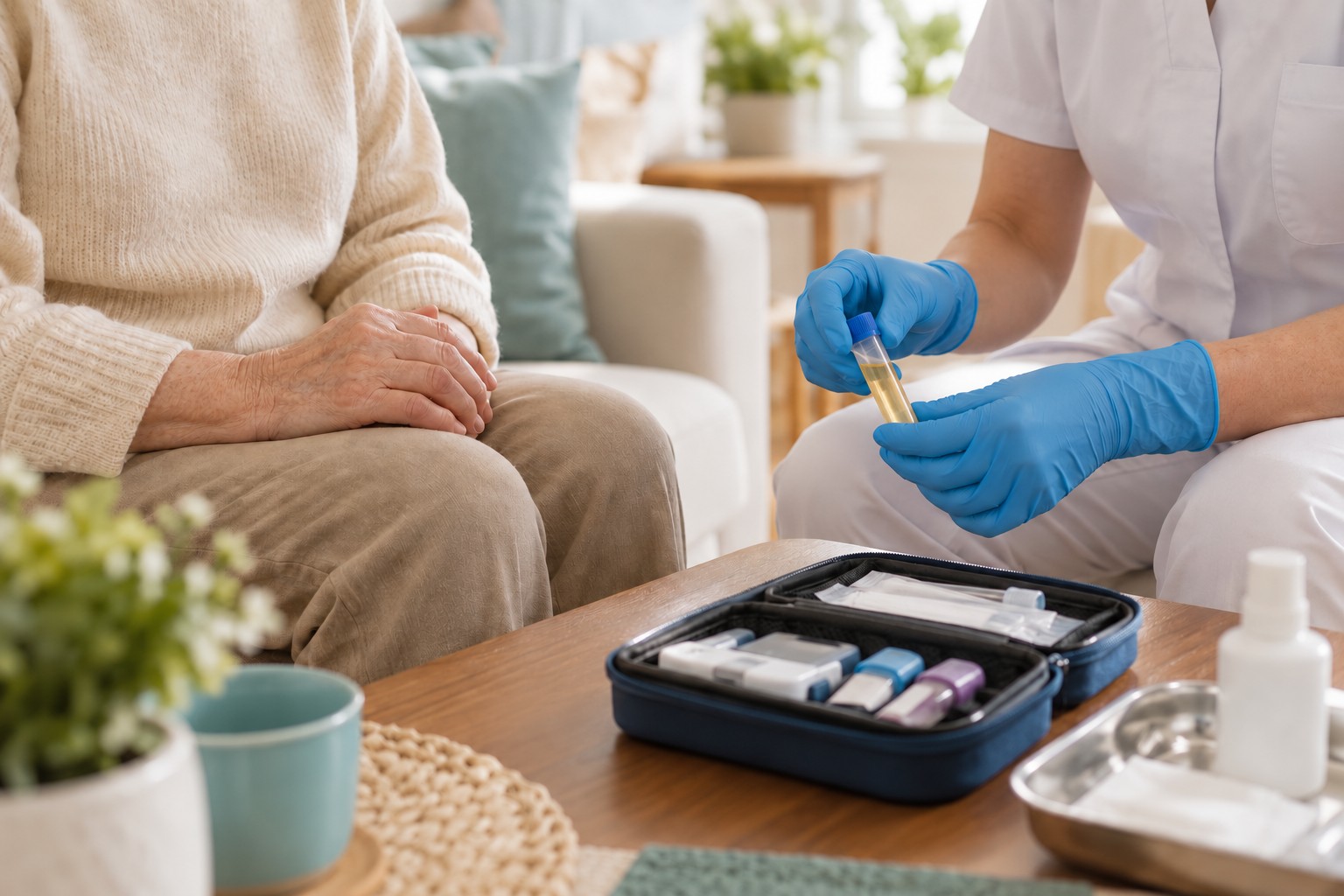
Our nurse comes to your address and collects your blood sample using sterile, single-use supplies.
-
03
You receive your result
Your sample is transported to the laboratory under appropriate conditions; your result is sent to you when it is ready.
Frequently asked questions
The information on this page is for general information only; it does not replace diagnosis or treatment. Consult your doctor for decisions about your health.