

The direct bilirubin test measures bilirubin processed in the liver; it helps identify the cause of jaundice and assess the condition of the liver and bile ducts.
- Sample
- Blood
- Fasting
- Required
- Turnaround time
- As soon as possible
- Test group
- Biochemistry
Preparation: Ideally, 8 hours of fasting is recommended; do not extend fasting longer than necessary. Mention the medicines and herbal products you use.
Insurance: We work with private health insurers. For this test, we obtain the pre-approval and collect your sample once approval is received; we do not charge a co-payment. Insurance and payment
Contents
What is direct bilirubin?
Bilirubin is a yellow substance formed from hemoglobin when aging red blood cells are broken down. It first enters the blood in an indirect form that does not dissolve in water, and it is carried to the liver bound to albumin. The liver makes bilirubin water-soluble by combining it with glucuronic acid; this processed form is called direct, or conjugated, bilirubin. This conversion is necessary for bilirubin to be removed from the body.
Direct bilirubin is excreted with bile into the bile ducts and from there into the intestine, where it contributes to the formation of the substances that give stool its color. Because a healthy liver quickly transfers this form into bile, the amount of direct bilirubin in the blood is normally quite low. The test measures direct bilirubin in blood serum using a chemical color reaction; the result is usually evaluated together with total bilirubin, and the difference between the two gives the indirect bilirubin.
When is the direct bilirubin test ordered?
This test is ordered especially to distinguish whether jaundice is caused by the liver or bile ducts or by excessive breakdown of blood cells. It is usually run as part of the liver function tests, together with ALT, AST, ALP and GGT. Elevated levels may also be detected in liver tests done during routine check-ups, before jaundice is noticed.
In people with known liver or bile duct disease, it may be repeated at regular intervals to monitor the course of the disease. It can also be used after a procedure or surgery on the bile ducts to monitor whether bile flow has returned to normal. In jaundice that persists beyond the newborn period, measuring direct bilirubin is especially important for detecting problems with bile flow early.
- Yellowing of the skin or the whites of the eyes (jaundice)
- Dark, tea-colored urine or pale, clay-colored stools
- Suspected gallstones or bile duct obstruction
- Monitoring of liver diseases such as hepatitis
- Checking the liver during long-term drug treatment
How should you prepare for the direct bilirubin test?
A few hours of fasting, ideally 8 hours, is generally recommended for direct bilirubin; a blood sample taken after a fatty meal can affect the measurement. You can drink water while fasting; giving the blood sample in the morning is the easiest way to keep the fasting period balanced. On the other hand, prolonged fasting of more than a day can raise indirect bilirubin in particular, so you are advised not to extend fasting longer than necessary.
Some antibiotics, birth control pills and certain herbal products can change bilirubin levels; tell your doctor about the medicines and supplements you take, and do not stop any of them on your own. Because bilirubin can be broken down by light, the blood sample must be protected from light. If you wish, our nurse can take your blood sample from a vein in the arm at your home or workplace.
What does the direct bilirubin result mean?
High direct bilirubin shows that bilirubin processed by the liver is not being adequately excreted through the bile. This may be associated with gallstones, narrowing or blockage of the bile ducts, hepatitis, cirrhosis, drug-induced liver damage and certain inherited conditions. Because direct bilirubin is water-soluble, when its level rises some of it passes into the urine and the urine may darken. Jaundice may also be accompanied by itching and pale stools.
A normal direct bilirubin with a high total bilirubin, on the other hand, suggests that the problem is related more to indirect bilirubin; Gilbert's syndrome and rapid breakdown of blood cells are examples. Low direct bilirubin usually has no clinical significance. Reference limits vary by age; for example, different values are used for newborns and adults. The laboratory method and sex can also affect the range; the range of the laboratory that performs the analysis is shown on this page. The meaning of your result should be evaluated by your doctor, together with your symptoms and your other liver tests.
Reference range
Unit: mg/dL- 0 - 0.3
This is the value used by our laboratory; it may vary depending on age, sex, the method used and the laboratory. Review your result together with your doctor.
How is Direct Bilirubin done at home?
-
01
Book your appointment
Fill in the online form or call us, and let's plan a day and time that suit you together.
-
02
Your blood is drawn at home
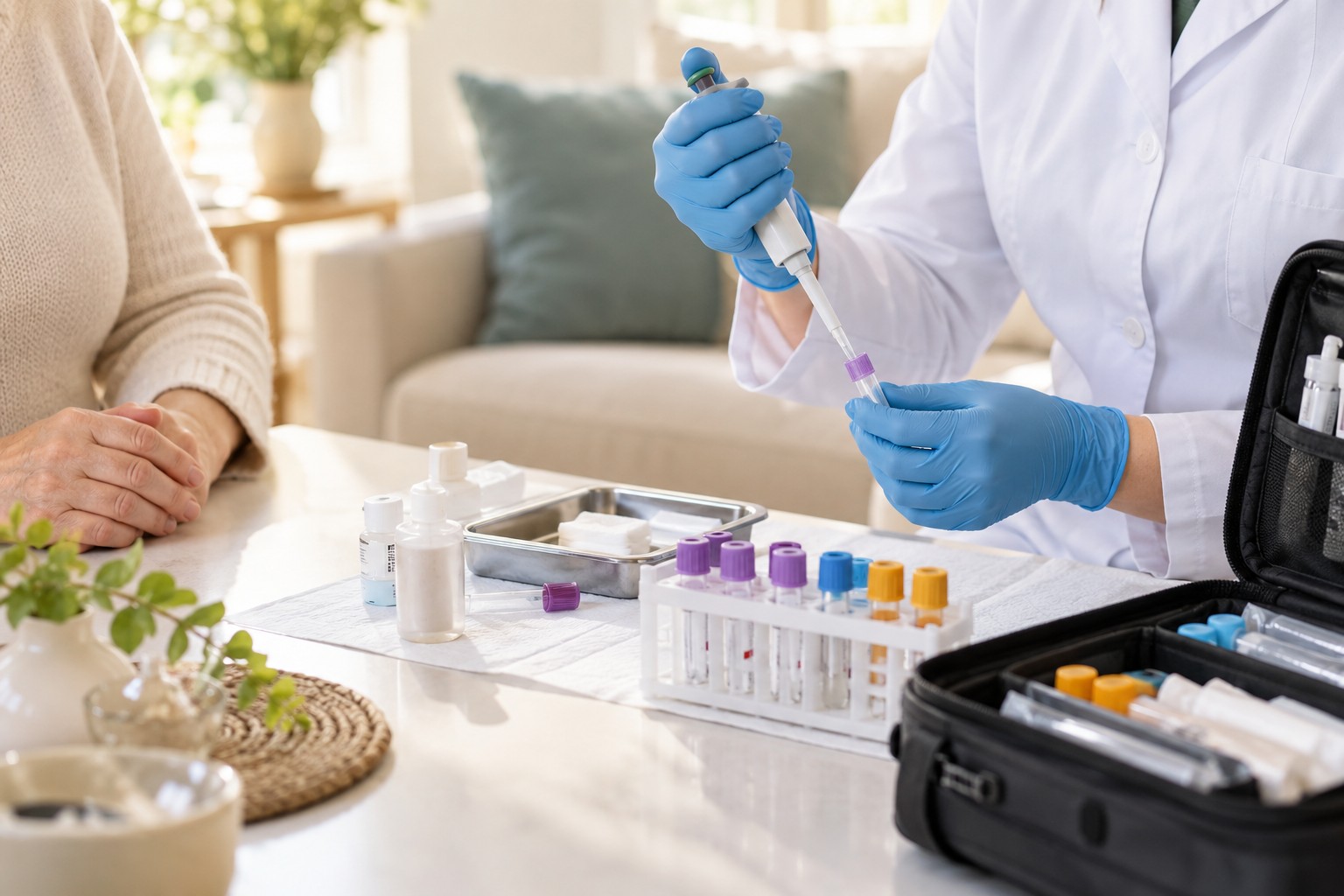
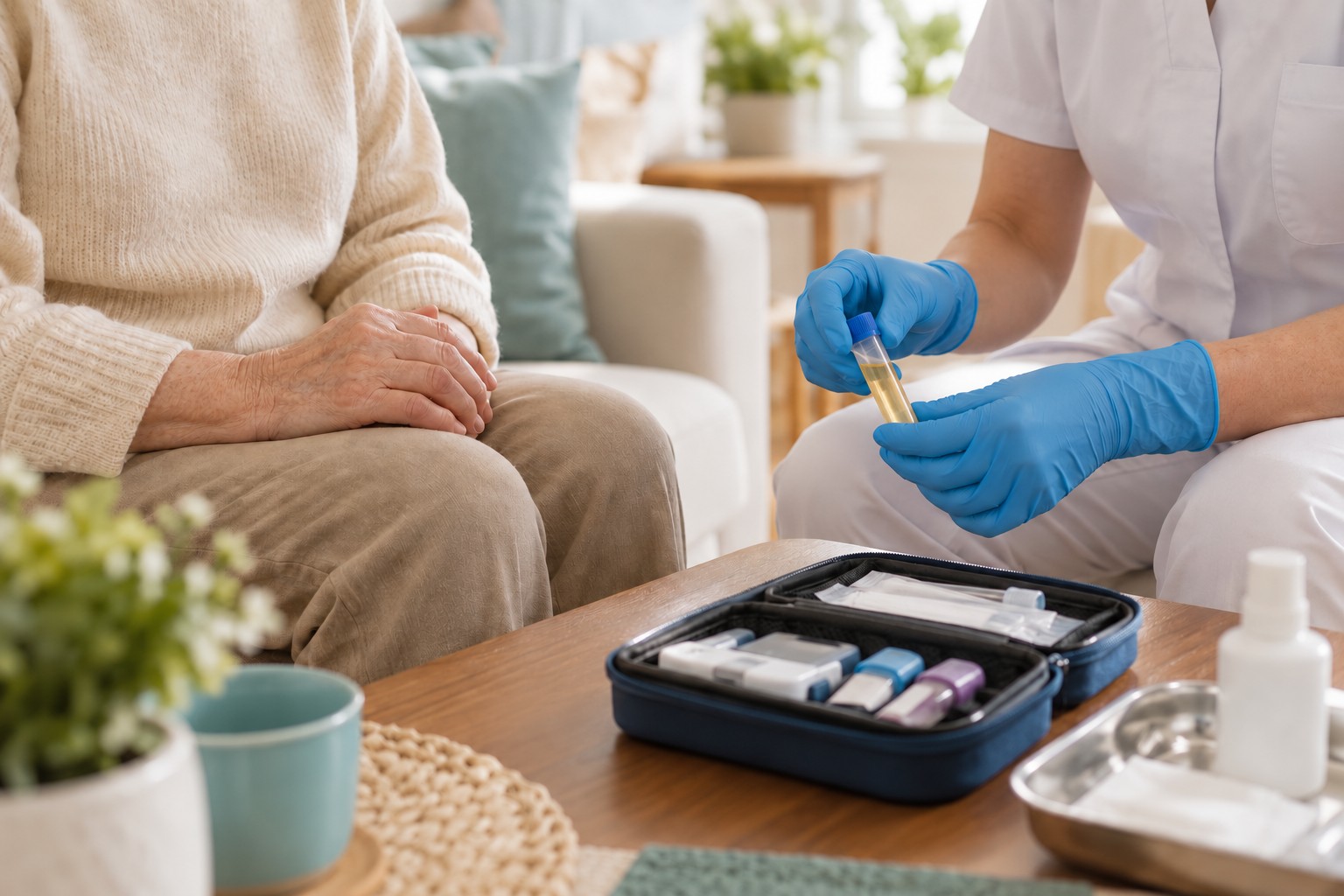
Our nurse comes to your address and collects your blood sample using sterile, single-use supplies.
-
03
You receive your result
Your sample is transported to the laboratory under appropriate conditions; your result is sent to you when it is ready.
Frequently asked questions
The information on this page is for general information only; it does not replace diagnosis or treatment. Consult your doctor for decisions about your health.